

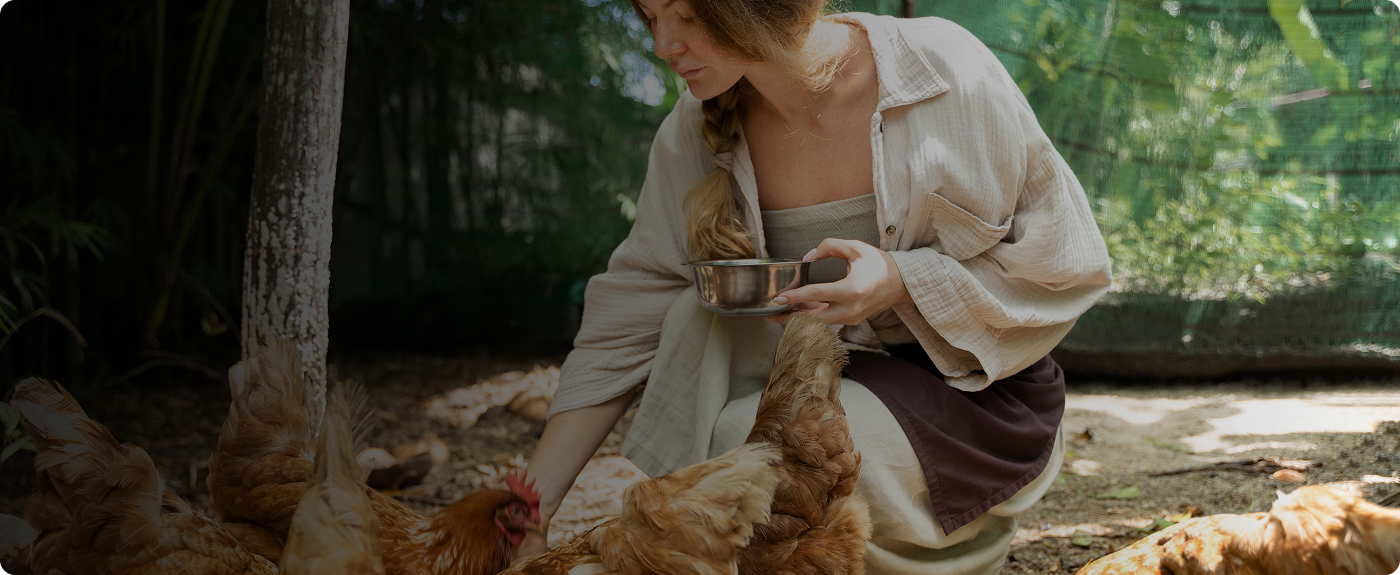
The Godmother of Rockwell Farm: Introducing New Pullets Without Starting a Mafia War
What happens when new chickens arrive at Rockwell Farm, and the Godmother of the coop must decide who joins the family?
Meet the Godmother
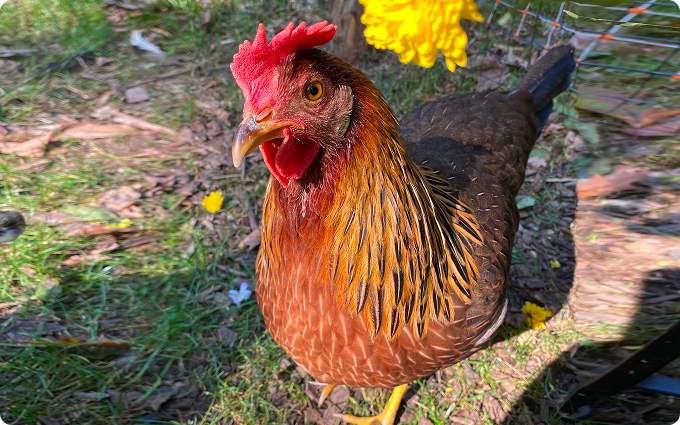
At Rockwell Farm, we don’t just have chickens we have a hierarchy. And at the top of it sits LuAnn, the undisputed Godmother of the Coop. Yes, she was named after the iconic Countess from The Real Housewives of New York, and much like her namesake, LuAnn carries herself with a certain authority… and just a touch of drama.
LuAnn is one of my original hens. She patrols the yard like she owns the deed, keeps the other girls in line, and occasionally reminds everyone who’s boss with a well-placed peck. Not maliciously. Just enough to maintain order in the family. But this spring at Rockwell Farm, we’re expanding the flock. Which means something every chicken keeper knows can be a little… complicated.
Introducing new pullets to the family.
And when a tight-knit flock meets newcomers, it can feel less like a farmyard and more like a scene from The Godfather. If you do it wrong, chaos erupts, feathers fly, and alliances are tested! In other words, you never go against the family!
The Pecking Order Is Real
Every flock has a hierarchy. Chickens establish a pecking order, which determines who eats first, who roosts where, and who gets the prime spots in the coop. At Rockwell Farm, LuAnn sits comfortably at the top of that order. So, when new pullets arrive, she naturally takes her role very seriously.
You might see some dramatic staring contests, a little chasing, and a few firm reminders about who runs the place.
In other words…
Nobody joins the family without the Godmother’s approval.
Real Tips for Introducing New Pullets to an Existing Flock
While the politics of the coop at Rockwell Farm may sometimes feel like a scene from The Godfather, introducing new chickens is a process that benefits from patience and a little strategy.
Every chicken keeper has their own approach, and there are plenty of opinions out there. The steps below are simply what has worked well for me when introducing new pullets to my flock.
Start With Quarantine
Before new birds meet the flock, they should spend 2–3 weeks in quarantine. This helps prevent introducing illness, parasites, or respiratory infections into your existing coop.
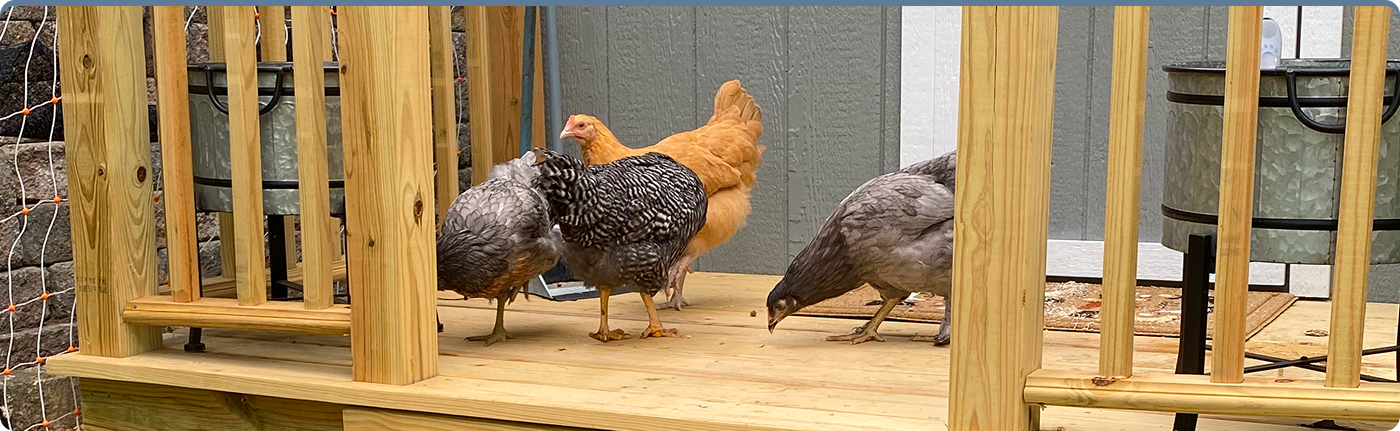
During this time, I keep the new girls in a separate enclosure but close enough that the flock can see and hear each other.
Think of it as letting the families observe each other before the official sit-down.
Use the “Look but Don’t Touch” Method
After quarantine, the next step is letting the chickens interact through a barrier or fence. This allows them to begin establishing their social hierarchy safely. There may be pacing, squawking, and the occasional dramatic wing flap but no one can hurt each other.
I usually keep them in this phase for about a week.
Try a Nighttime Introduction
One trick many chicken keepers swear by is introducing new pullets after dark. Once the existing flock is roosting, gently place the new birds in the coop. Because chickens are calmer at night, they tend to wake up and simply accept the new birds as part of the group.
Even the Godmother tends to be less dramatic before sunrise.
Provide Space and Multiple Feeders
Space is key when integrating new chickens.
Make sure your coop and run provide:
Multiple feeding stations
More than one water source
Roosts at different heights
Areas where a bird can escape if she’s being chased
Sometimes I scatter scratch grain during introductions just to give everyone something else to focus on.
Expect Some Pecking
A little chasing and pecking are completely normal. This is simply the flock establishing a new hierarchy.
However, you should intervene if you see:
Continuous aggressive attacks
Blood or injury
One bird being relentlessly targeted
Most of the time, the drama settles down within a few days to a week. Soon enough, everyone finds their place in the family.
Life Lessons from the Coop
Raising chickens has taught me something funny about life. Whether it’s a chicken flock, a neighborhood, or a town like Ridgefield, newcomers always take a little time to settle in. But with patience, a little space, and time to adjust, everyone eventually finds their place.
Even under the watchful eye of the Godmother LuAnn, She’ll still be out there tomorrow morning, patrolling the yard with the quiet confidence of someone who knows exactly who runs the coop. After all,
Nothing happens at Rockwell Farm without the Godmother knowing about it first.

Life at Rockwell Farm
Life at Rockwell Farm is one of the many reasons I love living in Ridgefield, Connecticut. I’m lucky enough to have two acres of land while still being walking distance to town, which means I get to enjoy a little bit of country life right in the heart of our community.
Between the historic homes, tree-lined streets, and the vibrant downtown filled with shops, restaurants, and local events, Ridgefield has a way of blending small-town charm with everyday convenience.
It’s the kind of place where you can spend the morning collecting eggs from the coop and still walk into town for coffee.
If you're curious about what it's like to live in Ridgefield or the surrounding Fairfield County towns, I’m always happy to share what makes this area so special.