

My GLP-1 Journey - And Why I Almost Didn't Share It
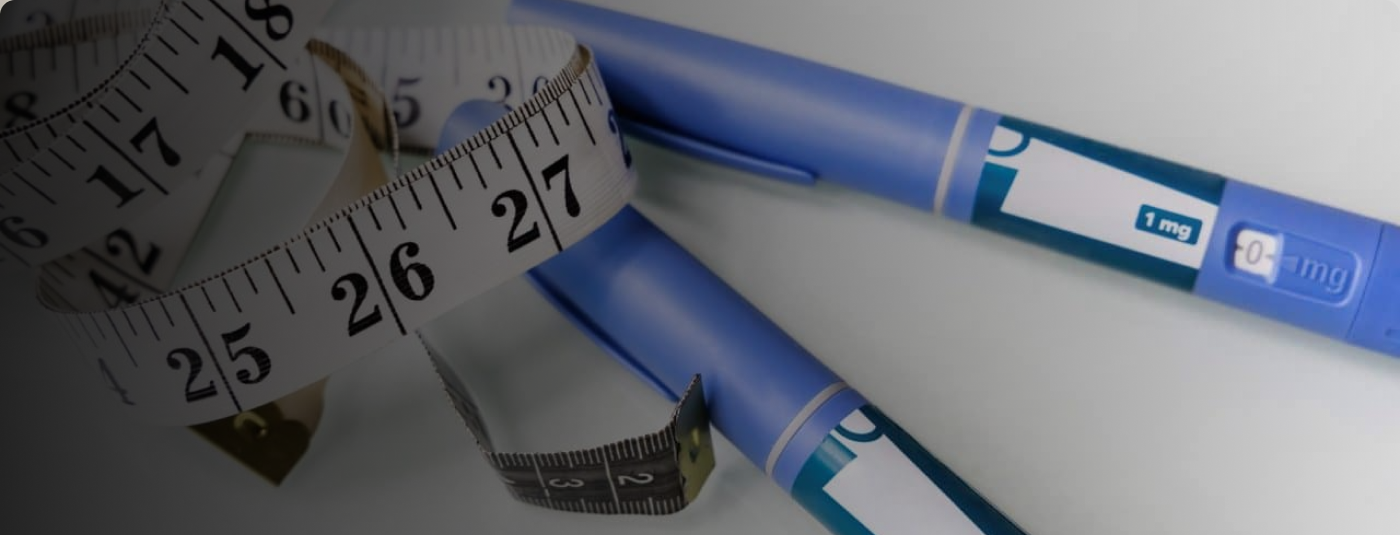
My GLP-1 Journey - And Why I Almost Didn't Share It
A personal reflection on cancer recovery, hormones, emotional eating, and learning that asking for help is not weakness.
There is a version of this story people expect to hear after cancer treatment.
The brave survivor.
The triumphant ending.
The gratitude.
The perspective.
And while there was certainly gratitude, there was also something else that felt much harder to admit.
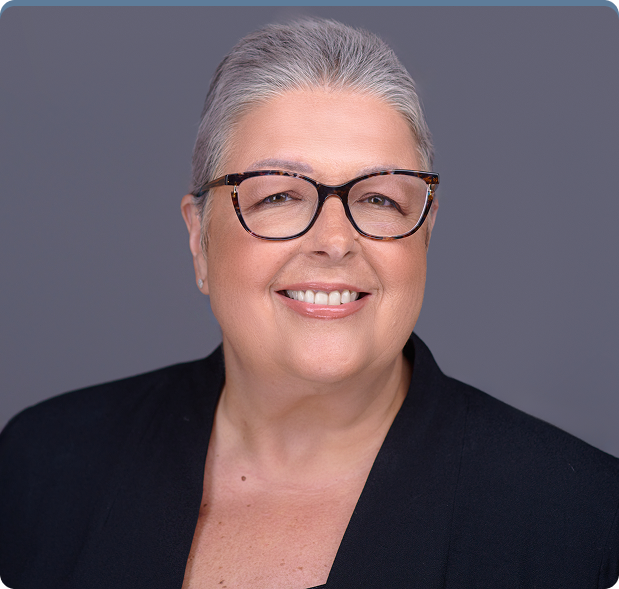
I did not recognize myself anymore.
Not everyone loses weight during cancer treatment. I didn't. Between medications, exhaustion, isolation, and a body constantly fighting to recover, I gained weight instead. Then, only a few months after treatment ended, I suffered a devastating fall that left me with multiple broken bones in my arm and shoulder.
Surgery.
Months of rehab.
Pain.
Limited movement.
By that point, I felt completely broken - physically and emotionally - and I was at the highest weight I had ever been.
At the same time, the medications that helped save my life had also thrown me into chemical menopause. My metabolism no longer felt like my own. Every day felt like a battle against a body I no longer understood.
And for the first time in my life, I realized something I had a very hard time admitting:
I needed help.
The Part People Do Not Talk About
If I had a nickel for every person who told me how lucky I was after cancer, I would be very rich.
And I understand what they mean. I truly do. I lead with gratitude always. I know how fortunate I am to be here.
But what people often fail to understand is that every cancer journey is different. No one has the right to tell another person how they should feel based on their own lived experiences.
Survival does not erase struggle.
There is so much pressure after cancer to appear grateful, positive, strong, and inspiring all the time. And while I naturally am an upbeat person, it can become exhausting trying to maintain that version of yourself when privately you feel trapped inside your own body.
That was my reality.
I was scared. I felt disconnected from myself. I felt like I had lost control of so many things physically, emotionally, and mentally.
And because weight is still so heavily tied to morality in our culture, I carried shame too.
What people could not see was that this was never about vanity.
This was about trying to feel like myself again.
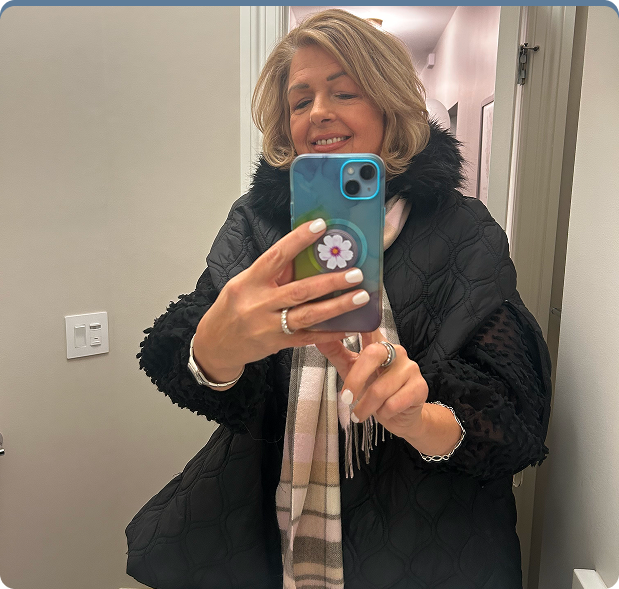
What People Get Wrong About GLP-1 Medication
One of the hardest things about the conversation surrounding GLP-1 medication is how oversimplified it has become.
“Just eat less and move more.”
As if every body functions the same way.
As if hormones, trauma, medications, menopause, cancer treatment, mental health, thyroid disease, and metabolism do not matter.
Before cancer, I already struggled with metabolic issues for most of my life. I also had thyroid cancer and no longer have a thyroid, which impacts my body in ways many people may not fully understand.
Then came cancer treatment. Then chemical menopause. Then physical injury and immobility.
My body chemistry changed dramatically.
And this is exactly why I believe these conversations need more compassion and less judgment. Every person’s body is different. Every medical history is different. Every response to treatment is different.
There is no one-size-fits-all answer.
Last year, I turned 60 years old.
And if I am being completely honest, part of my decision to seek help came from a very real fear: that I would never feel good in my own skin again.
Cancer changes your relationship with mortality. It changes the way you think about time, your body, your future, and the quality of the life you are fighting so hard to preserve.
For a long time, I looked at pursuing GLP-1 medication as somehow “giving in.” But eventually, my perspective shifted.
My body had survived cancer. It had survived treatment. It had survived trauma, surgery, injury, and recovery.
And I realized that ignoring my physical and emotional well-being was not strength. In many ways, it felt like I was failing to honor the very body that had fought so hard to keep me alive.
That realization changed everything for me.
For me, beginning GLP-1 medication was not a casual decision. I was terrified about how it might affect me after everything my body had already endured. My doctors monitored me closely and agreed that, in my case, the emotional and physical toll I was experiencing outweighed the potential negatives.
That matters.
This is why working with a physician or specialist is so important. These medications are not something to navigate blindly or based on social media opinions alone. Medical supervision, monitoring, and individualized care are essential.
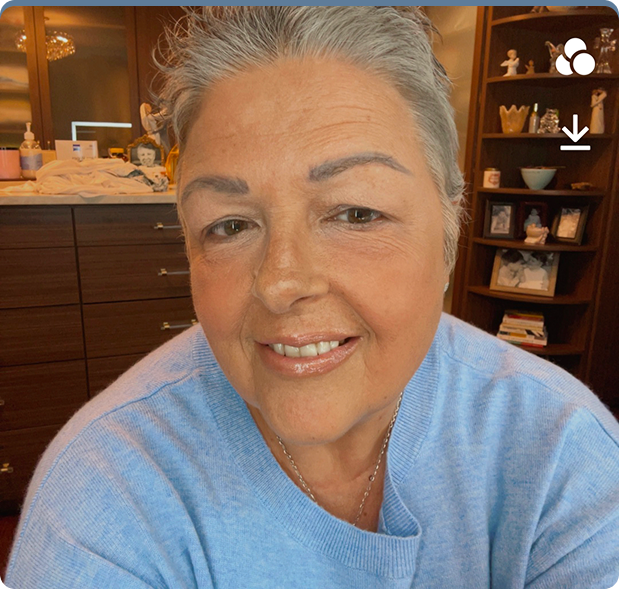
The Unexpected Emotional Side
Ironically, one of the first changes I noticed had nothing to do with the scale.
Getting dressed became easier.
And while that may sound superficial to some people, it mattered deeply to me. Being able to buy clothes that felt stylish, feminine, and current again gave me a sense of confidence I had not felt in a very long time.
It made me want to participate in life again.
I also learned something surprising about myself during this process.
I used to think I did not struggle with food noise or emotional eating. But very quickly, I realized how often I turned to food when I was sad, anxious, depressed, overwhelmed, or scared.
Food had quietly become comfort. Protection. Distraction.
And healing that relationship has been just as important as any physical change.
What I Still Struggle With
I wish I could tell you this journey suddenly fixed everything.
It didn’t.
My body image is still complicated. I still work hard every single day. I still worry about what happens if I stop the medication and gain the weight back.
There are still emotional layers I am working through.
But what has changed is this:
I no longer feel completely hopeless.
I feel stronger. More capable. More connected to myself again.
And perhaps most importantly, I no longer feel ashamed for asking for help.
What I Hope People Understand
If there is one thing I hope people take away from my story, it is this:
Everyone’s journey is different.
Every body reacts differently. Every medical history matters. Every person carries struggles you cannot see from the outside.
We need to stop reducing health to simplistic advice and judgment.
And especially as women, we need to stop believing we must suffer silently in order to prove we are strong.
Sometimes strength looks like asking for help.
Sometimes healing requires support.
And sometimes choosing yourself — your health, your mental well-being, your quality of life — is not weakness at all.
It is survival.
And if sharing my story helps even one person feel less ashamed, less alone, or more understood, then it was worth sharing.
I am not a medical professional, and I would never suggest that one person’s path is right for everyone. I firmly believe that anyone considering this route should do so under the care and supervision of a qualified physician or specialist.
But what I can offer is compassion.
A safe space. A listening ear. A conversation without judgment.
Because sometimes being heard is part of healing too.